
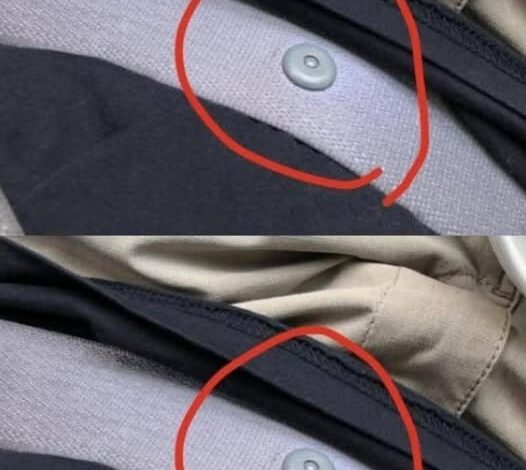
For most drivers, fastening a seat belt is an automatic routine. The door closes, the engine starts, and the belt is pulled across the body until it clicks into place. Because the process is so familiar, many people overlook the small details of the seat belt itself—including a tiny round button located on the strap.
While it may appear to be a simple design feature, that small button actually plays an important role in how the seat belt system works.
Automotive safety experts explain that the button acts as a stopper for the belt. Its main purpose is to prevent the metal latch plate—the part that clicks into the buckle—from sliding all the way down the strap when the belt retracts.
Without this small stopper, the latch plate could slide down toward the floor when the belt retracts, making it harder for drivers or passengers to reach and fasten the belt the next time they enter the vehicle.
Beyond convenience, the component also helps keep the seat belt properly positioned along the strap. This ensures the belt sits correctly across the chest and shoulder when in use, which is essential for the restraint system to function effectively during sudden stops or collisions.
Seat belts are designed as complete safety systems that include retractors, locking mechanisms, and carefully engineered webbing. Even the smallest pieces—like the button on the strap—are included to help the system work smoothly and reliably.
Safety experts say these subtle design elements highlight how modern vehicles are engineered with many small details working together to protect passengers on the road.
