
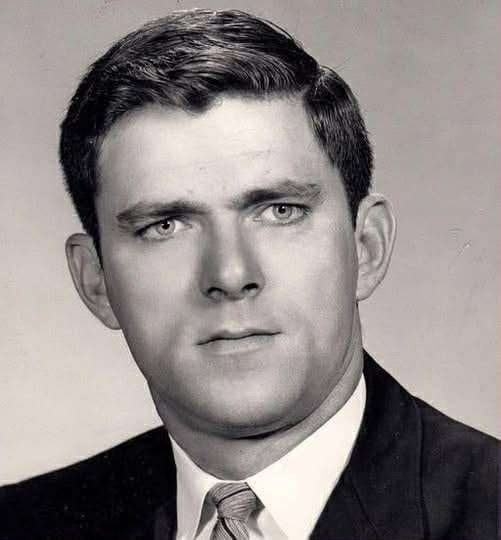
Phil Donahue’s departure from the airwaves feels like losing a public town square—one disguised as a talk show. He transformed daytime TV into a space where ordinary people could confront power, trauma, and each other in real time. There were no filters, no delays—just the raw risk of being changed by what you heard. Donahue didn’t promise comfort; he promised honesty and the chance to be truly seen.
In today’s culture, where instant outrage often outweighs patient listening, Donahue’s legacy serves less as nostalgia and more as a call to action. While his studio cannot be revived, his ethic can: sit in discomfort, ask the questions no one wants to ask, and stay long enough to hear the answers.
The microphone doesn’t pass to a single successor—it splinters into millions of hands. The real tribute to Donahue is deceptively simple: stop performing, start listening, and allow the next difficult conversation to truly resonate.
