
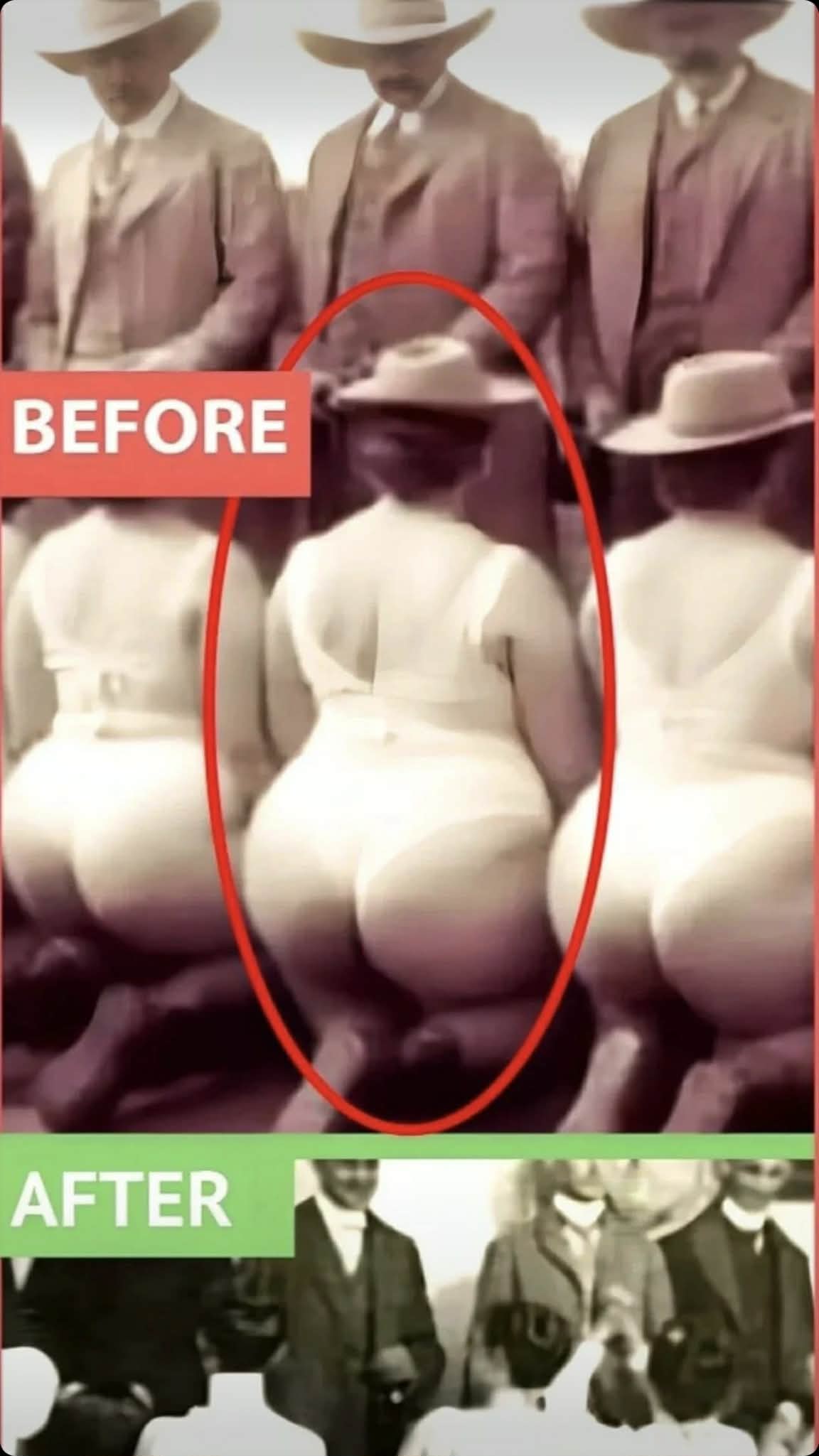
In the early 1900s, wives were expected to follow strict social norms in public. They were seen as symbols of their family’s reputation, expected to act with modesty, grace, and proper etiquette at all times. Their role often focused on supporting their husbands and maintaining social harmony rather than expressing independence.
These expectations were shaped by cultural, religious, and economic factors. However, this period also marked the beginning of change, as growing movements for women’s rights started to challenge traditional roles and pave the way for greater gender equality.
