
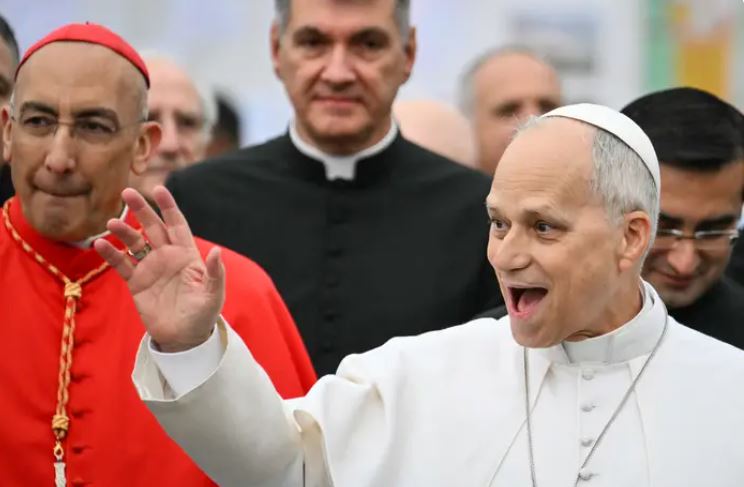
If you’ve been online lately, you might have noticed a fresh round of outrage directed at Pope Leo XIV. This time, the drama started after the pope shared a message about the escalating conflict involving Iran — and some conservative commentators absolutely lost it.
In a post on X (formerly Twitter), the pope expressed concern about the rising violence in the Middle East and urged world leaders to choose diplomacy over war. He wrote that peace cannot be achieved through threats or weapons but through “reasonable, sincere, and responsible dialogue.” He also warned that the situation could turn into a tragedy if leaders don’t stop the “spiral of violence.”
On its face, the message sounded pretty typical for a religious leader advocating peace. But online reactions from some conservatives quickly turned heated.
A number of critics accused the pope of stepping into politics or undermining military action. Some even told him to “stay in your lane,” arguing that international conflicts are secular matters and not the business of the Catholic Church.
Others went further. Social media users posted angry replies saying they were “ashamed to be Catholic” or calling the pope’s comments naive. One commentator complained that the pope was offering “fortune-cookie” wisdom instead of addressing geopolitical realities.
Of course, the internet being the internet, the backlash didn’t go unanswered.
Supporters of the pope jumped into the replies to defend him, pointing out that advocating for peace is literally part of the Church’s mission. Some also joked about the irony of people trying to explain Catholic teachings to the pope himself.
The episode highlights a growing divide among some political and religious communities online. Even a message about diplomacy and prayer can turn into a viral culture war — especially when politics, religion, and social media all collide at the same time.
And if the reactions are any indication, this debate probably isn’t ending anytime soon.
