
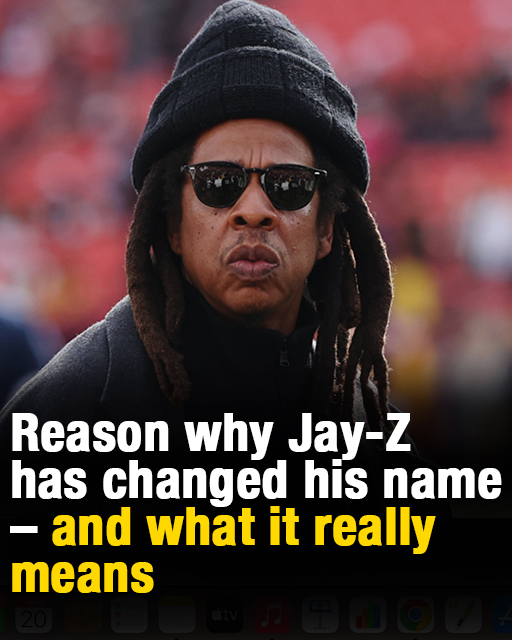
Jay-Z Revives Early-Era Styling with “JAŸ-Z” Name Update
Fans of Jay-Z have spotted a subtle but notable change: the hip-hop mogul is now appearing as “JAŸ-Z” in select promotional materials, sparking conversation about the meaning behind the updated styling.
The variation first drew attention in promotions for his upcoming performance alongside The Roots at the Roots Picnic in Philadelphia—a highly anticipated reunion marking their first shared stage in over a decade. While the performance itself is significant, it was the umlaut over the “Y” that quickly became a talking point among longtime fans.
Though it may appear to be a minor stylistic change, the spelling has deep roots in the artist’s history. The umlaut dates back to his early career, including the release of his 1996 debut album, Reasonable Doubt, when the stylized “JAŸ-Z” was first used. Its reappearance now suggests a deliberate nod to his beginnings.
The update has also been reflected across major streaming platforms such as Spotify and Apple Music, indicating that the shift is part of a broader, coordinated rebrand rather than a one-off design choice.
This isn’t the first time the rapper, born Shawn Carter, has altered the presentation of his name. In 2013, he dropped the hyphen entirely, rebranding as “JAY Z,” before restoring it in 2017 alongside the release of 4:44. The return of the umlaut now merges elements of his past and present into a single identity.
Beyond branding, the move reflects a broader personal philosophy. Jay-Z has long emphasized the importance of evolution while staying grounded in one’s origins—a theme also evident in his family life with Beyoncé. The couple’s children—Blue Ivy Carter, Rumi Carter, and Sir Carter—all have names chosen with layered meaning and intention.
While the shift to “JAŸ-Z” may seem small, it underscores a larger narrative about legacy, reinvention, and artistic continuity. As the rapper revisits elements from his early career while maintaining global influence, the change highlights how even minor details can carry lasting cultural significance.
