
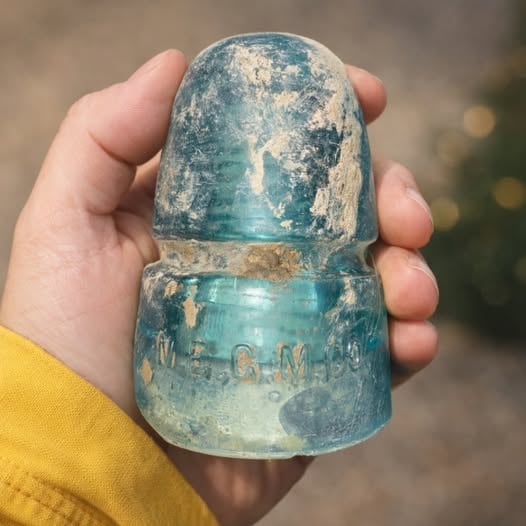
The Unsung Heroes of Early Power: How Insulators Kept Electricity—and Communication—Alive
What at first glance seem like simple glass or porcelain shapes are actually critical engineering feats that made early electricity and long-distance communication possible. These insulators, perched on wooden poles, kept live wires suspended above the ground, preventing power from leaking away, stopping dangerous arcs, and protecting fragile telegraph and telephone signals from fading into static. Without them, connecting towns and cities across vast distances would have been unreliable at best—and impossible at worst.
Engineers didn’t design these shapes for aesthetics. The umbrella-like disks and deep skirts were carefully calculated to force electricity to travel a longer, more difficult path, reducing the risk of flashovers. In storms, when lines whipped and poles shuddered, these small devices silently preserved the flow of power and communication.
Today, insulators remain quiet monuments to a century of engineering ingenuity—overlooked by many but essential to the world’s first electric networks.
