
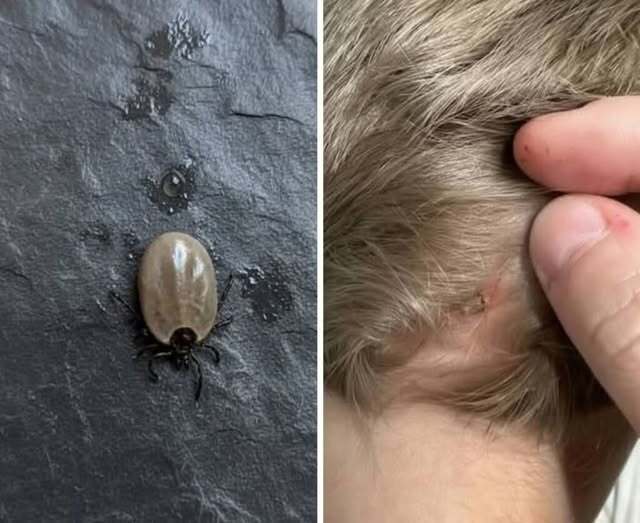
Tick or Louse? What Parents Should Know When They Spot a Tiny Bug in Their Child’s Hair
It often begins during an ordinary moment at home—perhaps while brushing a child’s hair after bath time or relaxing together on the couch. Then a parent notices it: a tiny dark speck moving through the strands.
The reaction is almost immediate. Hearts race and questions follow: Is it a tick? A louse? Could it be something dangerous?
Health experts say such moments are common for families, especially as children spend more time outdoors. From school playgrounds and backyard games to hiking trails and weekend trips, kids frequently come into contact with insects that can easily hitch a ride in their hair or clothing.
In 2026, outdoor play and nature activities have become increasingly popular among families, which means encounters with these tiny parasites are more likely. While the sight can be alarming, experts stress that understanding what you’re dealing with can help prevent unnecessary panic.
Ticks and lice, though small, raise different concerns.
Ticks can carry illnesses such as Lyme disease, making quick identification and careful removal important. Lice, by contrast, are generally considered more of a nuisance than a health threat. However, they can spread rapidly among children through close contact, particularly in schools and daycare settings.
Health professionals say that learning how to tell the difference between a tick and a louse is an important first step for parents—helping them respond calmly, take the right action, and protect their child’s health without unnecessary worry.
