
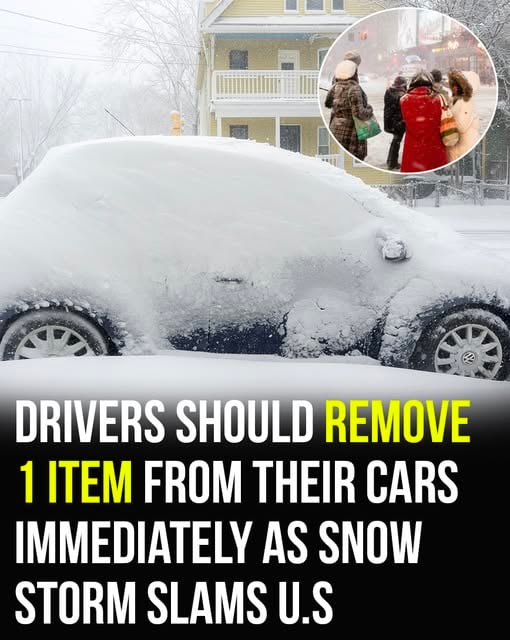
A major winter storm is slamming the Northeast, bringing blizzard warnings, travel bans, and whiteout conditions that have forced millions to stay indoors. The National Weather Service warned that blowing snow and near-zero visibility have made travel “nearly impossible” in some areas.
By Monday morning, airports across Long Island and New Jersey were buried under 19 to 20 inches of snow, and the storm’s impact stretched nationwide. According to FlightAware, more than 5,000 U.S. flights were canceled Monday, with the heaviest disruptions hitting major hubs in New York, New Jersey, and Boston.
Hidden winter hazard inside your car
With cars stranded and buried in snow, experts are also warning about an often-overlooked danger: vaping devices left in freezing vehicles.
Markus Lindblad, director at Haypp, previously explained that extreme cold can severely affect vape batteries. If a frozen vape is charged before it has properly warmed to room temperature, the battery can malfunction or overheat — potentially creating a fire risk inside the vehicle. The danger may be greater with counterfeit or poorly regulated devices that lack built-in safety protections.
Cold temperatures can also affect the e-liquid inside the device. Freezing may cause the liquid to thicken, expand, or leak, which could stain upholstery or seep into vents and electrical components — leading to costly repairs.
How to reduce the risk
Experts recommend:
- Remove your vape from the car whenever possible.
- If it must remain inside, wrap it in clothing (like a sweater or hat) and store it in the glove compartment for insulation.
- If a device has been exposed to freezing temperatures, let it return fully to room temperature before charging or using it.
- Inspect for leaks or visible damage before turning it on.
Vaping by the numbers
About 1 in 20 Americans use e-cigarettes. As of July 2025, roughly 8% of Americans reported vaping in the previous week — a rate that has held between 6% and 8% since 2019, according to Gallup.
As the blizzard continues to disrupt daily life across the Northeast, small precautions — especially involving battery-powered devices — can help prevent an already dangerous situation from turning into an unexpected emergency.
