
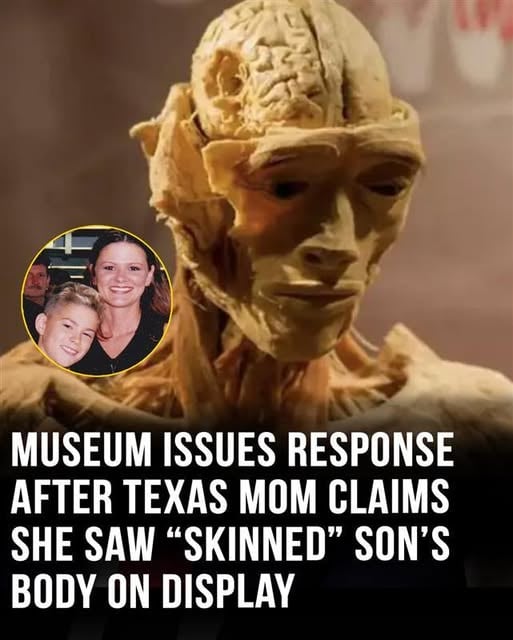
Kim Erick’s life split in two the day her 23-year-old son, Christopher, died and was quickly cremated without her full consent. The official story—an undiagnosed cardiac condition and two heart attacks—never quieted her doubts. Bruises in police photos, an undetermined cause of death, and the absence of a body left her trapped in a loop of questions no investigation could fully resolve.
Years later, the Real Bodies exhibition became the unlikely stage for her unresolved grief. When Kim saw “The Thinker,” she didn’t see a generic cadaver; she saw her child, or the horrifying possibility of him. Even as records and timelines clearly ruled it out, her demand for DNA testing was less about conspiracy than about a desperate need for respect, answers, and control. In a world of legally sourced specimens and closed case files, her fight underscores a harsher truth: bureaucracy can end an inquiry, but it cannot end a mother’s need to know.
